FREE ON-DEMAND WEBINAR FOR PERSONAL INJURY ATTORNEYS
Uncover the Injury Your Cases Are Missing.
Normal MRI. Real Pain. Now What?
Your client continues to experience neck or back pain after an accident, but the MRI doesn't fully explain the symptoms. The defense calls it a soft-tissue injury. The adjuster questions the complaints. Your client is still hurting.
What if the missing information is found when the client moves?
Watch this educational webinar replay to explore how Vertebral Motion Analysis (VMA®) evaluates spinal movement and provides objective measurements that may identify abnormalities not apparent on traditional static imaging.
Why Spinal Motion Matters in Personal Injury Cases

Traditional X-rays and MRIs provide valuable information about spinal anatomy. However, these studies generally capture the spine in a stationary position. Your clients don't live their lives standing or lying perfectly still. They bend, turn, reach, and move throughout the day.
Certain spinal motion abnormalities may become apparent during movement rather than in a static image. VMA® provides another way to evaluate the spine.
Using controlled movement and fluoroscopic imaging, VMA® measures vertebral motion and produces objective data for interpretation by qualified medical professionals. For personal injury attorneys, understanding this distinction can help you ask better questions about your clients' medical evaluations and documentation.
FREE ON-DEMAND WEBINAR FOR PERSONAL INJURY ATTORNEYS
Uncover the Injury Your Cases
Are Missing.
Uncover the Injury Your Cases
Are Missing.
Normal MRI. Real Pain. Now What?
Have questions about VMA® or a case you're working on? Call Us Now
Your client continues to experience neck or back pain after an accident, but the MRI doesn't fully explain the symptoms. The defense calls it a soft-tissue injury. The adjuster questions the complaints. Your client is still hurting.
What if the missing information is how the spine moves?
Watch this educational webinar replay to explore how Vertebral Motion Analysis (VMA®) evaluates spinal movement and provides objective measurements that may identify abnormalities not apparent on traditional static imaging.
Wondering whether VMA® may be appropriate for one of your clients?
Call us at 415-432-9285
What You'll Find Out in This Webinar
Static Imaging vs. Motion Imaging:
Why traditional imaging may not capture certain abnormalities that occur during spinal movement.
Spinal Ligament Injuries:
How ligaments support spinal stability and why ligament injury deserves consideration after trauma.
Understanding VMA®:
How the examination works, what it measures, and what information appears in the report.
A Real Case Example:
See how motion imaging identified findings that were not apparent on the initial static images presented.
The Treating Provider's Perspective:
How additional imaging findings may contribute to clinical evaluation and treatment planning.
The Attorney's Perspective:
How objective medical documentation can inform case evaluation, demands, and discussions with medical professionals.
Want to learn more about VMA® after watching?
Call us at 415-432-9285
Hear From Medical and Legal Professionals

Bernard Landry, MD
Board-Certified Radiologist, The Driving Force Company
Dr. Landry brings extensive experience interpreting Vertebral Motion Analysis (VMA®) studies, with approximately 2,000–2,500 studies reported. He explains how VMA measures spinal movement, what those measurements may reveal, and why the findings should be evaluated alongside other clinical information when assessing potential spinal instability.

Scott Tauber, DC
Chief Clinical Advisor, The Driving Force Company
Dr. Scott Tauber is a Doctor of Chiropractic and Chief Clinical Advisor for The Driving Force Company. His educational work focuses on spinal ligament injuries, spinal instability, and motion-based diagnostic technology. He helps healthcare professionals and legal audiences understand what Vertebral Motion Analysis® (VMA®) measures and how its findings may contribute to objective spinal injury documentation and discussions with treating providers.

Paul Handleman, DO
Osteopathic Physician | Musculoskeletal and Pain Management Specialist
Dr. Handleman is an osteopathic physician whose practice focuses on pain management and regenerative medicine. He discusses how identifying abnormal spinal motion may provide additional information for treating physicians as they evaluate symptoms, consider treatment options, and develop individualized care plans.

Steven Eggleston, DC, Esq.
Doctor of Chiropractic | Personal Injury Attorney
Steve Eggleston brings the combined perspective of a personal injury attorney and former chiropractor. He discusses how objective spinal motion findings may contribute to medical documentation, support more informed conversations with treating providers, and help attorneys better understand the clinical evidence presented in an injury case.

Douglas DeSalvo, DC
Host | Imaging Facility Director, Precision Spine and Motion Imaging
Dr. DeSalvo has served the Novato, California, community through DeSalvo Chiropractic since 1987, focusing on personalized, nonsurgical care for musculoskeletal conditions. His practice emphasizes thorough evaluations, individualized treatment plans, and patient education. As owner of Precision Spine and Motion, a VMA® imaging center, Dr. DeSalvo brings a practice owner's perspective to the role of advanced spinal motion imaging in injury evaluation and documentation.
What Happens When the Imaging Doesn't Match the Symptoms?
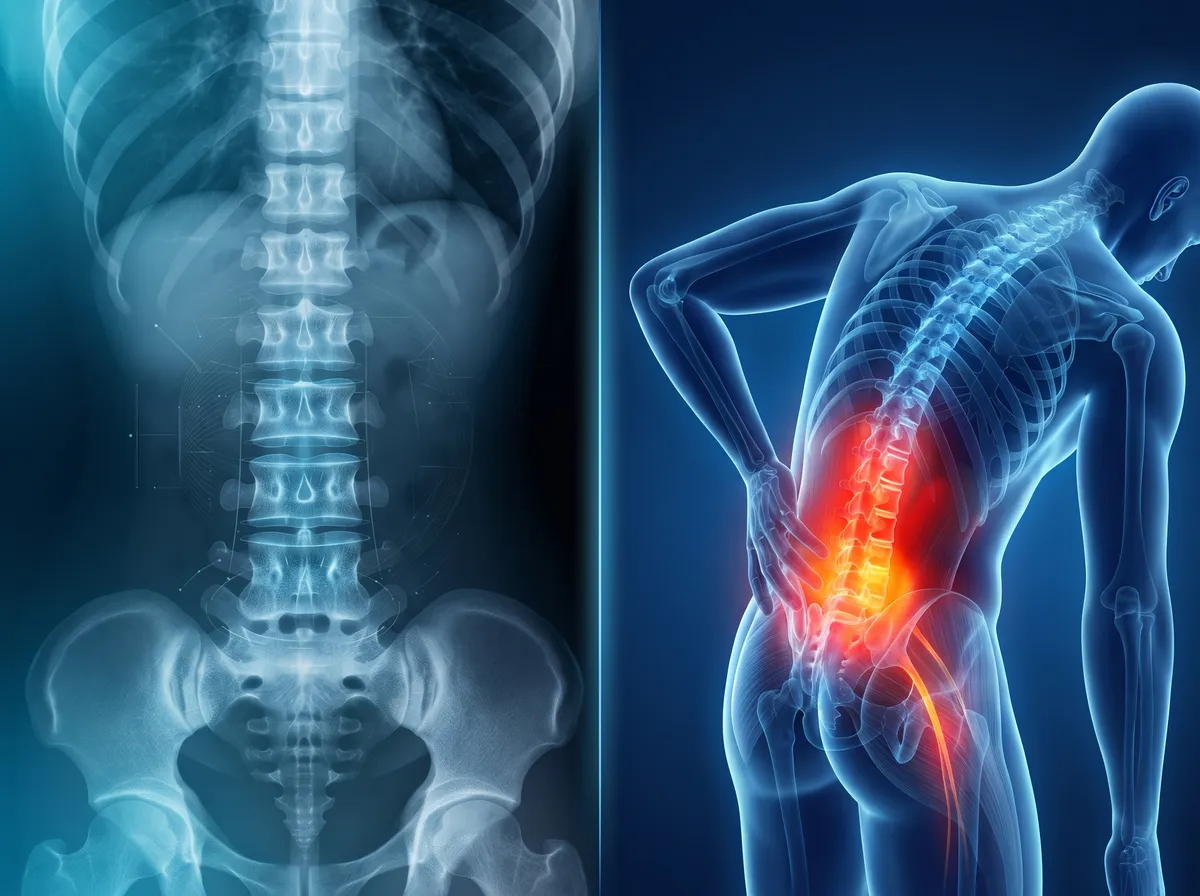
One of the most important distinctions discussed in this webinar is the difference between identifying an abnormality and establishing what caused it.
VMA® may help identify and measure abnormal spinal movement. Those findings must still be considered alongside the patient's history, examination, other imaging, and clinical evaluation.
For attorneys, the value of understanding this technology is not that it proves a case on its own. It's knowing when additional medical information may be worth discussing with the treating provider.
If you have a case where the symptoms and imaging don't seem to match
call us at 415-432-9285 to learn more about VMA®.
When Traditional Imaging Doesn't Tell the Whole Story
MRI and conventional X-rays provide valuable information about spinal anatomy.
However, static images do not capture the continuous movement of individual vertebrae during bending.
Vertebral Motion Analysis (VMA®) is an FDA-cleared technology that uses controlled-motion imaging and computerized analysis to quantitatively assess vertebral movement.
These measurements may help qualified healthcare professionals evaluate abnormal spinal motion, including findings that may be associated with radiographic instability.
For personal injury attorneys, understanding the distinction between anatomical imaging and functional motion assessment may provide useful context when reviewing medical documentation involving persistent symptoms or suspected spinal instability.
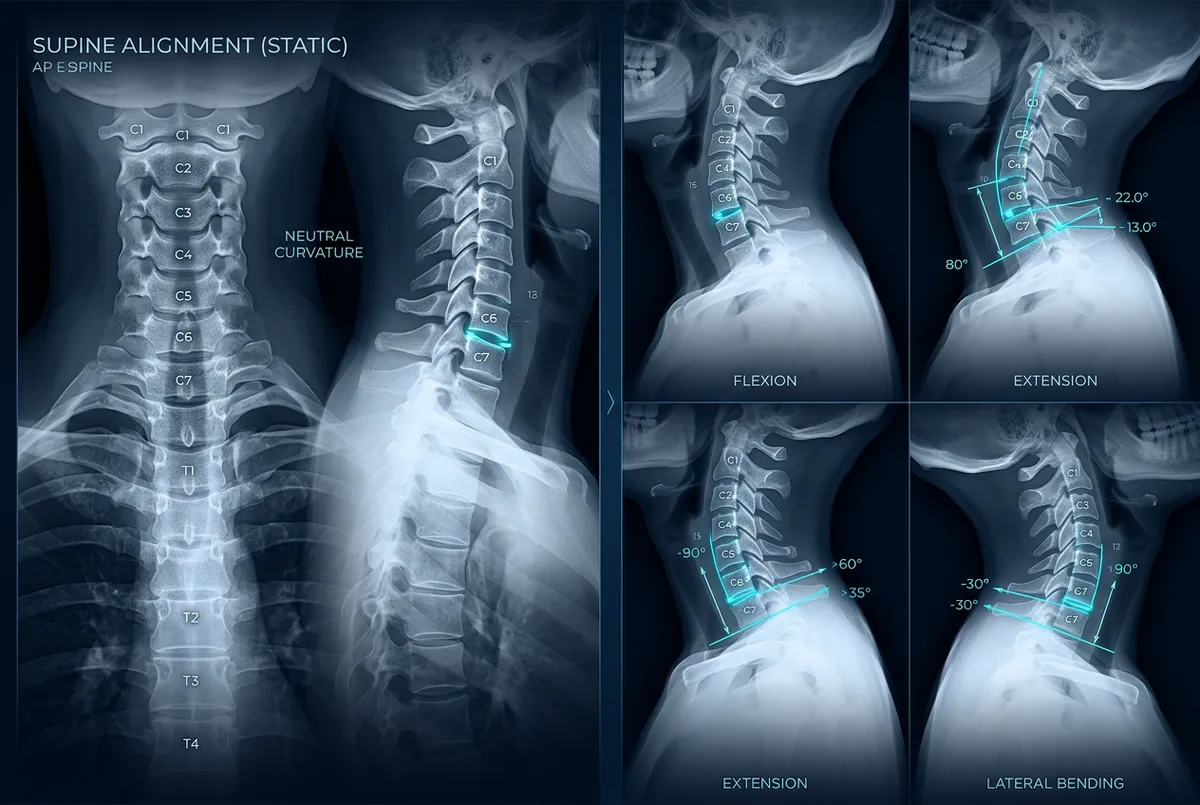
STATIC MRI // SUPINE
However, static images do not capture the continuous movement of individual vertebrae during bending.
MOTION-BASED // DYNAMIC
Vertebral Motion Analysis (VMA®) is an FDA-cleared technology that uses controlled-motion imaging and computerized analysis to quantitatively assess vertebral movement.
What You'll Learn
During this presentation, we'll explore:
Why static and motion-based imaging provide different types of information and how those differences may be relevant to spinal evaluation.
What spinal instability means and how abnormal vertebral movement may relate to the clinical assessment of potential ligament injury.
How VMA® captures and quantitatively measures vertebral motion during controlled movement.
What a VMA® report contains, including measurements of vertebral translation and rotation, and how these findings may contribute to clinical documentation.
How attorneys can better understand quantitative motion findings when discussing medical evidence with treating providers and other qualified professionals.
DOSSIER // OBJECTIVE BIOMECHANICAL EVIDENCE
Meet the Presenters
DOSSIER SPEC // LEAD INVESTIGATOR

Dr. Landry
Dr. Landry brings extensive experience interpreting VMA studies, with approximately 2,000–2,500 studies reported.
During this educational presentation, Dr. Landry will explain the quantitative information VMA can provide, how motion measurements are interpreted, and why these findings should be considered alongside other relevant clinical information.
DOSSIER SPEC // BIOMECHANICAL DIRECTOR
Dr. Tauber, DC
Dr. Tauber is a chiropractor (DC) with experience in spinal injury evaluation.
During the presentation, Dr. Tauber will discuss the clinical context of spinal motion assessment, the relationship between abnormal vertebral movement and suspected instability, and how quantitative imaging findings may inform discussions with treating providers.
WHO SHOULD ATTEND
Who Should Attend?
This educational presentation is designed for personal injury attorneys and legal teams handling motor vehicle accidents and other cases involving suspected cervical or lumbar spine injuries.
It may be especially relevant when a client's symptoms persist despite limited findings on conventional imaging, or when additional clinical information about spinal motion may be helpful.

CRITERIA PROTOCOL
Med-Legal Threshold
Have a Case Where the Imaging Doesn't Tell the Whole Story?
Dr. Douglas DeSalvo welcomes questions from personal injury attorneys who want to better understand VMA® and its potential role in evaluating spinal motion abnormalities.
Whether you have questions about a particular case, want to understand the referral process, or would like your treating-provider network to learn more about the technology, our office is available to help you take the next step.
Dr. DeSalvo also offers educational discussions for medical providers, including in-person and Zoom presentations.
Call us at 415-432-9285
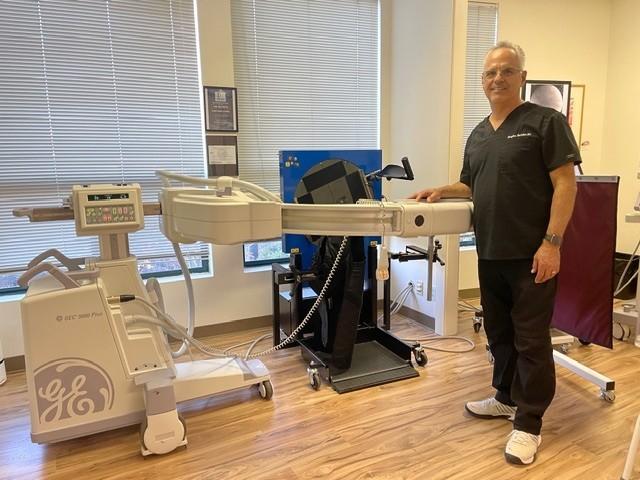
Precision Spine and Motion Imaging
Novato, California | Serving the Greater San Francisco Bay Area
precisionspineimaging.com
Educational Disclaimer: This webinar is provided for general educational purposes and is not intended as individualized medical or legal advice. VMA® findings do not independently establish injury causation, determine treatment necessity, or guarantee a particular legal outcome. Diagnostic and treatment decisions remain the responsibility of qualified healthcare professionals.